Naturpark Wildeshauser Geest

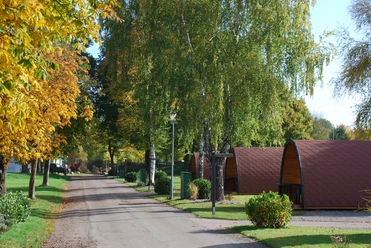
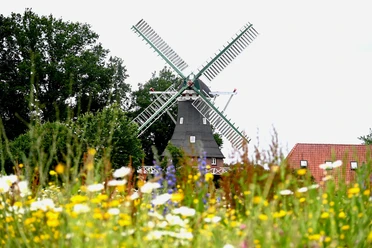
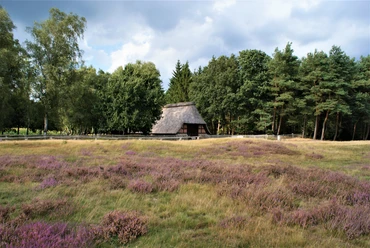
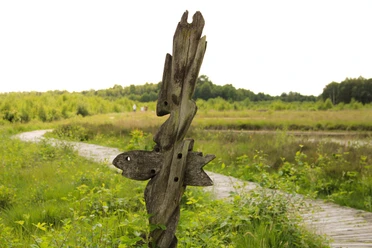
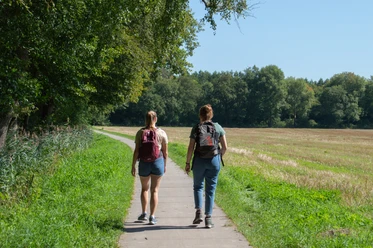
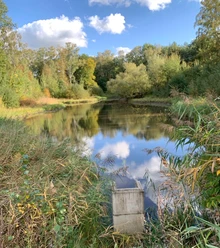
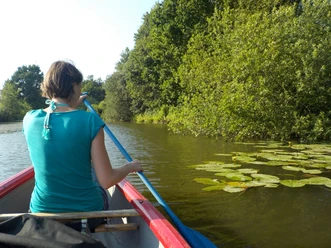
With an area of over 1500 km², the Wildeshauser Geest is the largest nature park in Lower Saxony and consists of a fascinating and diverse natural and cultural landscape. Species-rich mixed forests alternate with flowering heath landscapes, sandy dunes, mystical moors and lush meadows and pastures. Five large rivers run through this landscape mosaic as lifelines and small, charming villages give the region its unique charm. With its rich diversity of species, the nature park is considered a hotspot of biodiversity and offers a variety of habitats for many endangered animal and plant species. Impressive megalithic tombs from the Neolithic period, consisting of boulders weighing several tons, bear witness to the formation of the first cultural landscape in the Wildeshauser Geest 5000 years ago. Further evidence from the Bronze and Iron Ages as well as medieval churches and monasteries form gateways to our ancestors. Old mills still tell of an eventful past. Together with museums and information centers, the nature park keeps this heritage of nature and human history alive. The past and present of the nature park can be experienced in hiking boots, on a bike or in a canoe.
The nature park is part of the National Natural Landscapes (NNL). In this alliance, the German national parks, nature parks, biosphere reserves and wilderness areas work together with people to preserve fascinating nature on around one third of Germany's surface area, convey the joy of experiencing nature and shape the future sustainably with confidence. It stands for diversity, tolerance and democracy.
The nature park is part of the National Natural Landscapes (NNL). In this alliance, the German national parks, nature parks, biosphere reserves and wilderness areas work together with people to preserve fascinating nature on around one third of Germany's surface area, convey the joy of experiencing nature and shape the future sustainably with confidence. It stands for diversity, tolerance and democracy.

Naturpark Wildeshauser Geest