CC-BY-SA Touristikverband LK Rotenburg, Björn Wengler Fotografie

Migrating birds and cranes 

The long-distance flyers are back! 

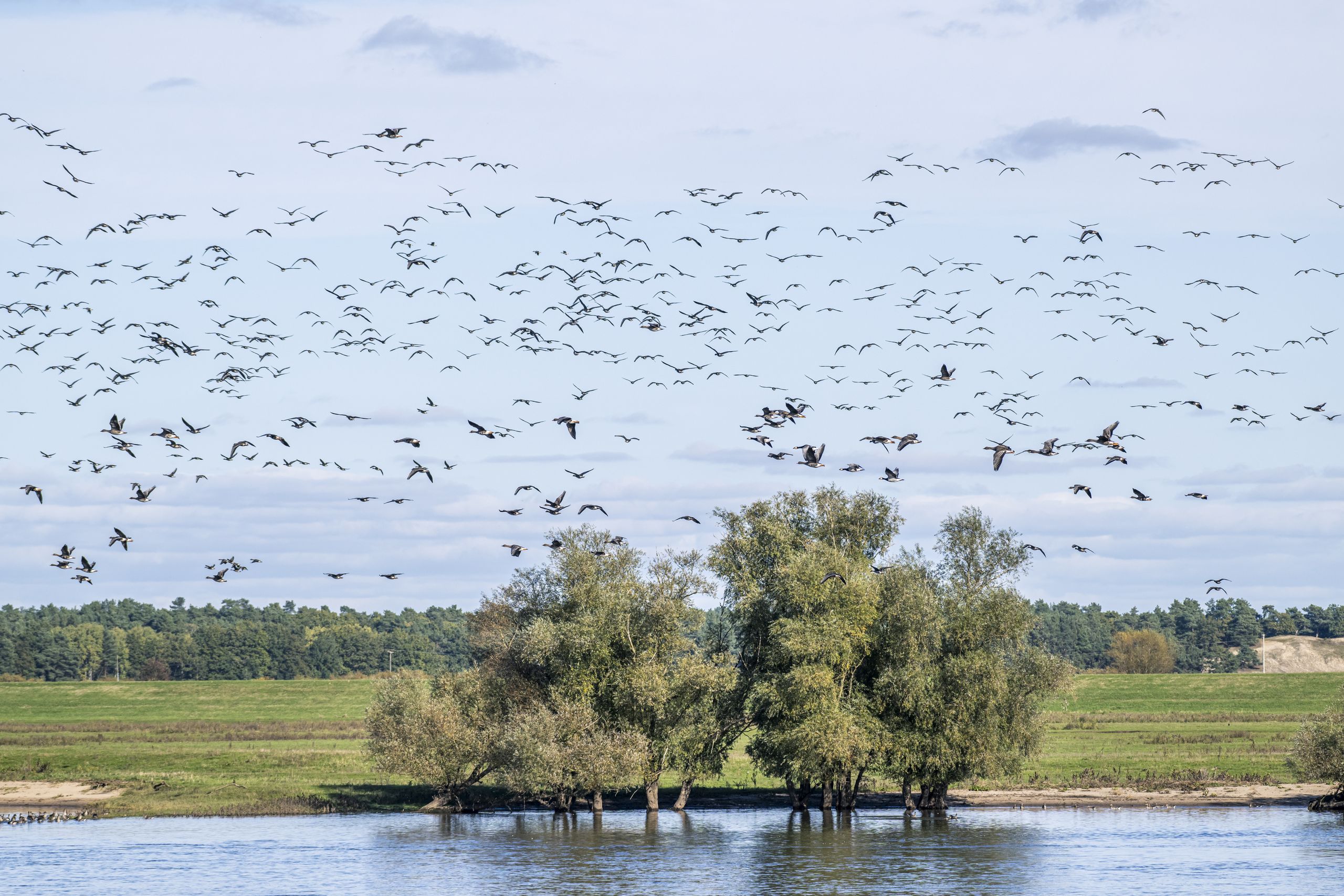
Each autumn, the skies above Niedersachsen are transformed into a mesmerising natural spectacle: thousands of migratory birds stop here to rest on their journey between north and south. 

Noisy wild geese fly in a great V formation across the sky, their spirited honking echoing over the wetlands by day. In the Wadden Sea, songbirds from Iceland and Siberia feast on shellfish and lugworms before continuing their journey to the Mediterranean or even Africa. In the wetlands, elegant cranes pause to rest before heading south. Others – such as Siberian swans and geese – arrive from the far north to spend the winter here.  
 

A wildlife spectacle 

Who’s who? 

Pack your binoculars and immerse yourself in the experience! From September to October, the southward migration reaches its peak, while March to May sees the return journey. Every October, Niedersachsen’s North Sea coast hosts Zugvogeltage, a week-long celebration of migrating birds, featuring guided walks, festivals, boat tours, talks, children’s activities and more. From the Dollart Bay to the mouth of the River Elbe and across the East Frisian Islands, you can explore the coastal birdlife, which is at its most abundant and animated at this time of year. 


CC-BY-NC-ND TourismusMarketing Niedersachsen GmbH, CrossMediaRedaktion

A stopover like no other  

The Wadden Sea 

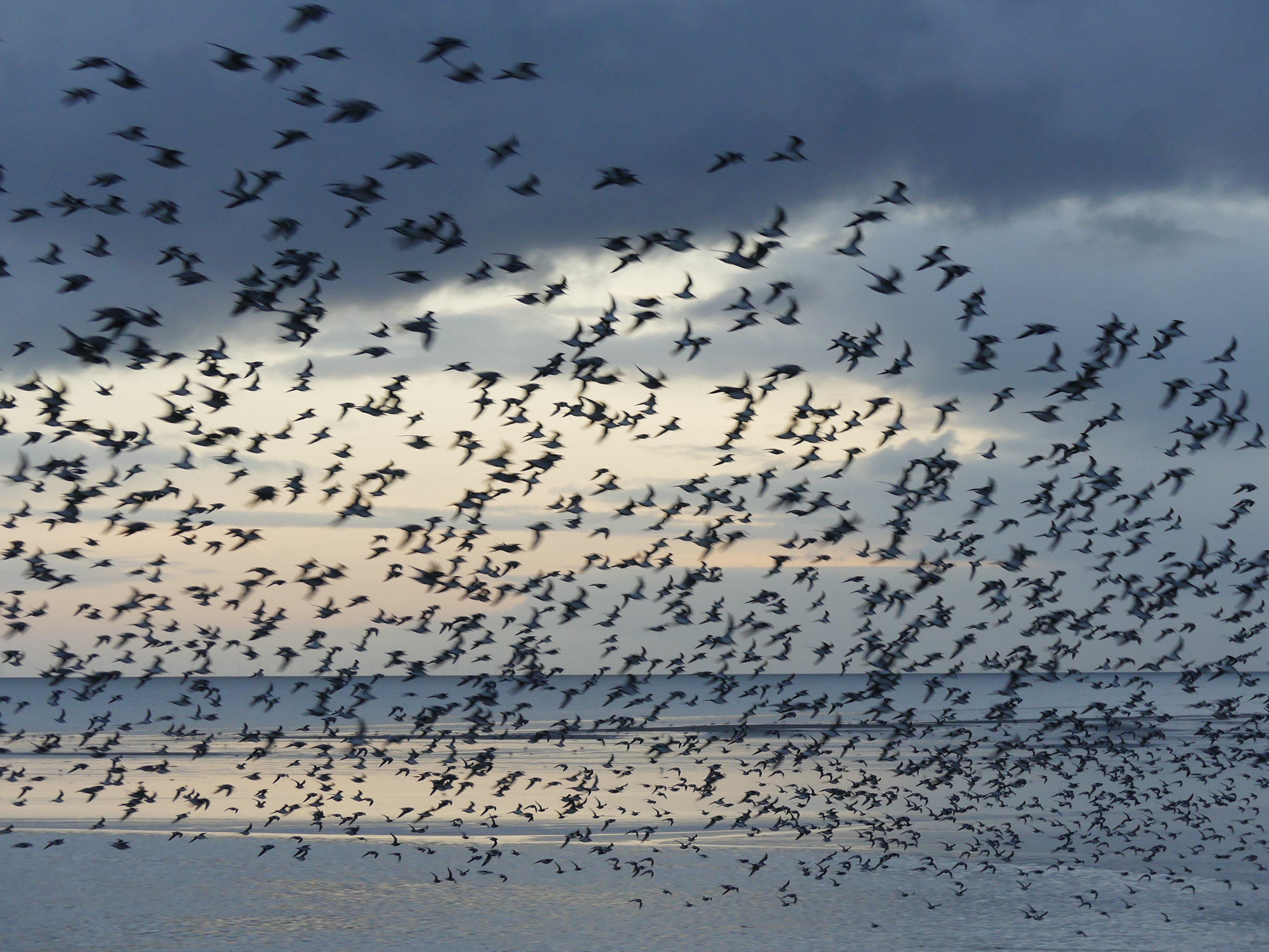
Twice a year, the Niedersachsen Wadden Sea UNESCO Natural World Heritage Site  becomes an international hub for migratory birds. Millions of birds touch down here to refuel for their journey down to the south or back up to the north. The vast tidal flats and salt marshes offer an abundant buffet – a true feast after thousands of kilometres in flight. The resident gulls and oystercatchers are joined by international visitors such as red knots, bar-tailed godwits, brent geese and sanderlings. 

The Zugvogeltage (Migratory Bird Days) website features up-to-date sightings and bird migration forecasts. 

Early risers reap the rewards 

Cranes in the morning light 

If you want to catch sight of the majestic cranes en route to warmer climes in France or Spain, you’ll need an early start. These ‘birds of happiness’ are most active around sunrise and sunset. In cold winters, they use Niedersachsen’s wetlands as a stopover – places like the Diepholz Moor Depression, the Tister Bauernmoor near Rotenburg (Wümme), and the Teufelsmoor near Worpswede. 


© Dieter Damschen

Cranes follow the weather 

To fly or not to fly? 

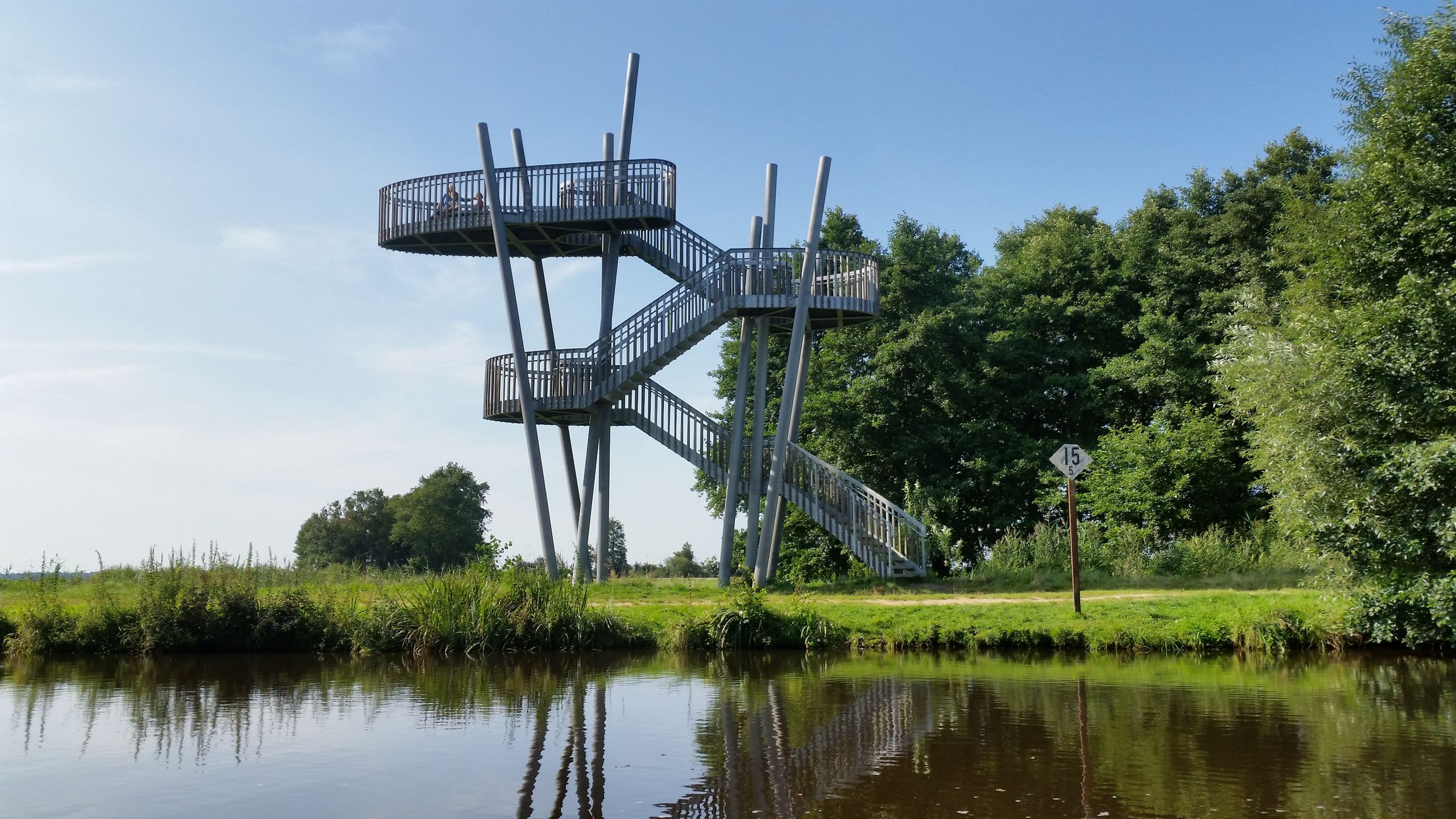
In mild winters, many of these fair-weather fliers may choose to stay put, returning to their northern breeding grounds in the spring. Be sure to take a good pair of binoculars so you can keep your distance and avoid disturbing them – they need to conserve their energy. Designated viewing spots are clearly marked and often sheltered from the elements. Their formation flights are a spectacular sight from anywhere, and their distinctive calls echo far across the landscape.